Top 10 Nutrient-Dense Foods for Muscle Growth
Building muscle is heavily reliant on nutrition, and including nutrient-dense foods in your diet can significantly enhance your results. Here are the top 10 nutrient-dense foods for muscle growth:
- Eggs - Packed with protein and healthy fats, eggs provide all the essential amino acids needed for muscle repair and growth.
- Chicken Breast - A staple for muscle builders, chicken breast is high in protein and low in fat, making it a perfect choice for lean muscle gain. Source
- Salmon - Rich in omega-3 fatty acids, salmon not only helps with muscle growth but also reduces inflammation.
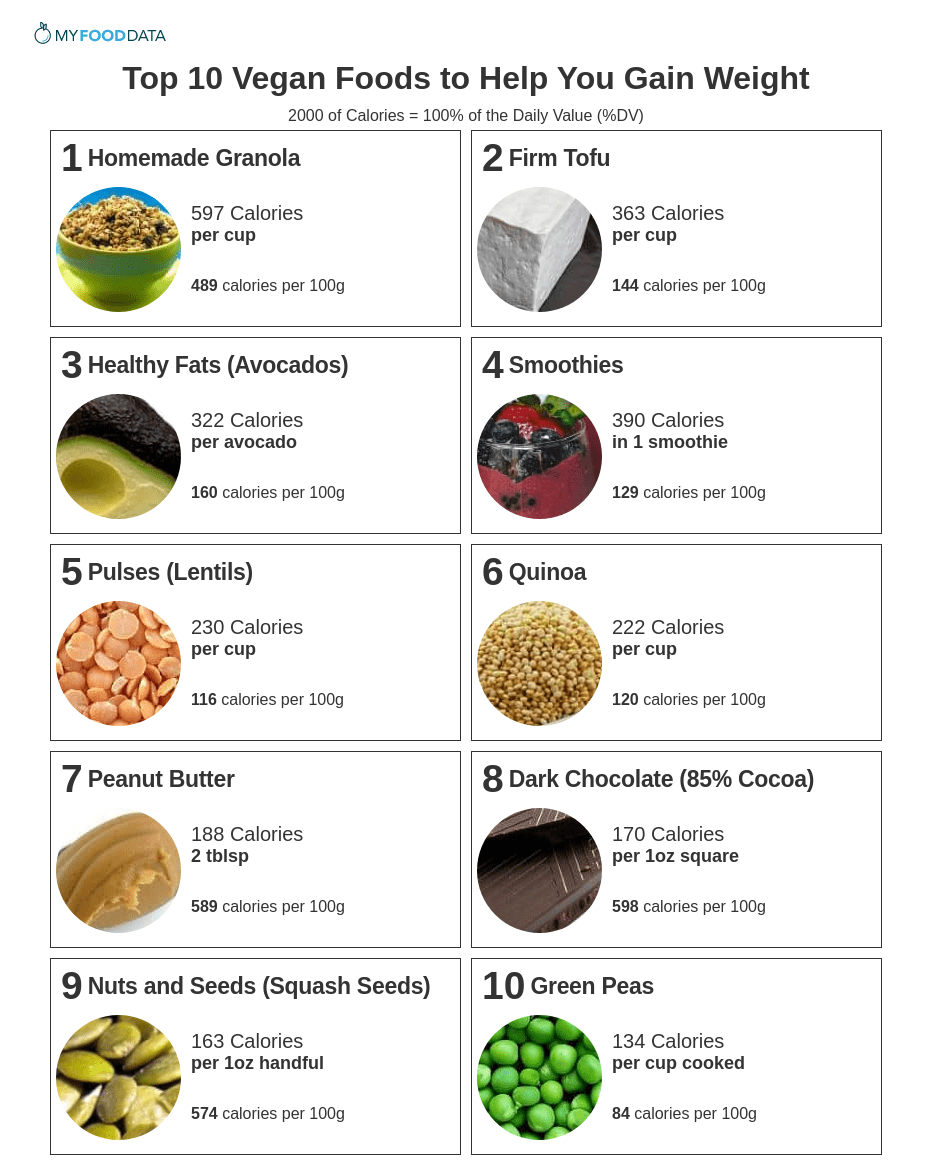
- Quinoa - As a complete protein, quinoa is an excellent plant-based option that provides both protein and carbohydrates.
- Greek Yogurt - High in protein and probiotics, Greek yogurt is perfect for post-workout recovery.
- Spinach - This leafy green is packed with nutrients and antioxidants that enhance muscle function and growth.
- Brown Rice - A great source of complex carbohydrates that provides energy for workouts.
- Walnuts - Rich in omega-3 and protein, walnuts are a perfect addition to snacks or meals.
- Beans - Whether black, kidney, or lentils, beans are filled with protein and fiber, promoting digestive health.
- Oats - A healthy carbohydrate source that fuels your workouts and aids in muscle recovery. Source
Incorporating these top nutrient-dense foods into your diet not only supports your muscle-building efforts but also promotes overall health. Prioritize these foods in your meal planning for optimal nutrient intake. Remember, nutrition plays a key role in muscle growth, and making conscious dietary choices will lead to better results in your fitness journey. For more information on muscle nutrition, check out resources like Healthline and Bodybuilding.com.
Mastering Macronutrients: The Key to an Effective Mass Diet
When it comes to mastering macronutrients, understanding the right balance of proteins, carbohydrates, and fats is essential for an effective mass diet. Proteins are crucial for muscle repair and growth, providing the building blocks your body needs after intense workouts. Aim for around 1.6 to 2.2 grams of protein per kilogram of body weight daily. Carbohydrates, on the other hand, serve as the primary energy source to fuel your workouts and promote recovery. Incorporating complex carbs like whole grains, fruits, and legumes can help sustain your energy levels throughout the day. For more detailed guidance on protein consumption, check out this research article.
Fats are often misunderstood, but they play a vital role in hormone production and overall health. Including healthy fats from sources like avocados, nuts, and olive oil can support your mass-gaining goals by providing additional calories. A good rule of thumb for macronutrient distribution in a mass diet is 50% carbohydrates, 30% protein, and 20% fats. This can vary based on individual needs, so monitoring your body's response and adjusting accordingly is key. For more insights into macronutrient balance, refer to this Investopedia guide. Mastering these macronutrients will ensure you’re on the right track to achieving your fitness goals.
Is a Mass Diet Right for You? Key Considerations and Benefits
When considering whether a mass diet is right for you, it's essential to evaluate your individual goals, body type, and lifestyle. For those looking to gain muscle mass, this approach can provide the necessary caloric surplus. However, it's crucial to note that not all mass diets are created equal. You should focus on quality sources of protein, carbohydrates, and fats to ensure your body receives the nutrients it needs. According to research, a well-balanced diet combined with a structured workout regime can significantly enhance muscle gain.
There are several benefits to implementing a mass diet, including improved strength and muscle definition, enhanced energy levels, and a better recovery rate post-workout. Additionally, a controlled approach can lead to a more defined physique over time. It’s important to monitor your progress and adjust your caloric intake based on your results. For further reading on the effects and best practices of mass diets, check out this insightful guide.